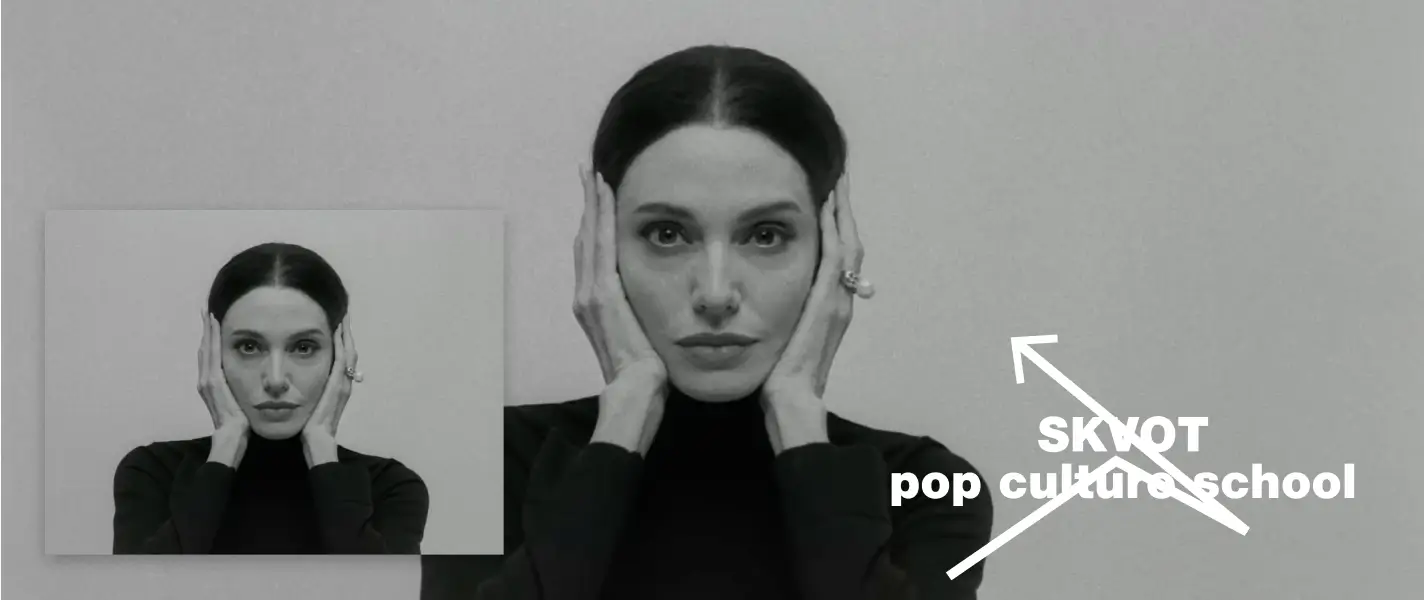

On November 28, Maria premiered in Ukraine. This film tells the story of Maria Callas, one of the most prominent opera singers, who lost her voice in the final years of her life. Pablo Larraín, known for Spencer (about Princess Diana) and Jackie (about Jacqueline Kennedy), directed this biopic. Maria is the last in his trilogy about remarkable women of the 20th century.
Angelina Jolie takes on the lead role of the Greek soprano in this biopic. This marks Jolie’s first major project in years, and critics are already predicting that her performance might earn her an Oscar.
Natalia Serebryakova attended a roundtable discussion with Pablo Larraín and Angelina Jolie, capturing their insights on the untruths in biographies, dying on stage, and how to truly feel opera.
Pablo, how would you describe Maria?
Pablo Larraín: It’s the story of a woman who, by the end of her life, managed to find her place, understand who she was, and metaphorically reclaim her voice. It’s also about a person with a fascinating life who elevated opera to a new level, taking it beyond theaters and opera halls to reach the world. Many factors made this film possible, but none of it would have happened without Angelina. She brings an incredible grace to the role and, I believe, a very unique sensitivity.
You clearly have a deep love for opera. Can you share more about that?
Pablo Larraín: Yes, thanks to my family, I attended the theater and opera as a child. I’ve always believed there must be a way to combine cinema and opera. Very few films explore opera, which I find puzzling because opera is such a powerful environment. With Maria, I wanted to uncover something within the opera world that was worth telling.
Maria Callas uniquely fused vocal artistry with physicality in her performances. Angelina, what did this role give you as an actress?
Angelina Jolie: I’ve appreciated opera as a listener and spectator, but never as a performer. As Pablo mentioned early on, the only way to become Maria was to dive into opera singing and arias. Her music truly shaped her identity. You can’t just sing opera; you have to give yourself entirely to it.
This role demanded a different breath, a different body, a different strength, a different sound, and a different trust. Through the work required to embody an opera singer, I discovered a woman of extraordinary grace and discipline who gave everything she had to her art. It was a high bar to reach, but it inspired me deeply and taught me so much.
When did you first learn about Maria Callas and her significance in music history?
Angelina Jolie: In my youth, I didn’t attend the opera often. But one day, I heard Maria Callas. It was the sound, the woman, the voice. Honestly, I was so young at the time — I was struck by the sound but didn’t yet understand opera. So, my admiration for Callas started from afar. I appreciated her from a distance. Now, I’m grateful that she’s become such an integral part of my life.
Was the 2017 documentary Maria by Callas a starting point for your research? What other sources did you use?
Pablo Larraín: I watched 6–7 documentaries about Maria, ranging from older to more recent. Some lacked English translations and were only available in French or Italian. There are about 20 biographies of Maria, though I haven’t read them all.
We had a dedicated research team uncovering as much as possible. But the primary and most vital research element was her music. Listening to Maria’s music was the best way to understand her. Unfortunately, there’s very little video footage of her performances because, back then, cameras were noisy and disruptive in opera houses. So, our research ran deep.
Angelina Jolie: I watched a lot too. As Pablo mentioned, there’s an abundance of material. Many people have strong opinions about Maria, creating content as if they’re absolutely certain who she was. I tried to respect Maria without being overly influenced by others’ opinions. I focused on listening to her music, feeling her essence, and thinking about her origins and identity.
Pablo Larraín: In the biographical works I’ve read, there are two things that strike me. I noticed that about 50% of the information is generally agreed upon — mentioned by all the authors. But the other 40–50% varies. There’s no absolute consensus on all the details. You know where she was born, what school she attended, and so on. But what happens behind closed doors always remains speculation.
Even biographies can include elements of artistic fiction. What surprises me is that in biographies, these are presented as facts, and then you read, “She said [quote].” But how do you know she actually said that? It’s not a quote from a letter or anything like that. And that’s where confusion arises.
Angelina, how would you describe your experience working with Pablo? Were you familiar with his films beforehand?
Angelina Jolie: I’d seen most of his films. Working with Pablo was exactly as I imagined. His movies reflect his discipline and the space he gives other artists. Pablo creates a world, and you can feel it. He listens, observes — his generosity and rare talent shine through.
Pablo, why did you choose to focus on Maria’s final days? What drew you to her tragedy?
Pablo Larraín: I believe Maria's final days are the true gateway to understanding her life. It's like a small narrative form. The doctor explains to her that her life is in danger. But she keeps going, keeps trying, looking back, starting to remember and understand who she truly was and who she wanted to be — even if it’s already too late. In doing so, she finds a sense of reconciliation within herself.
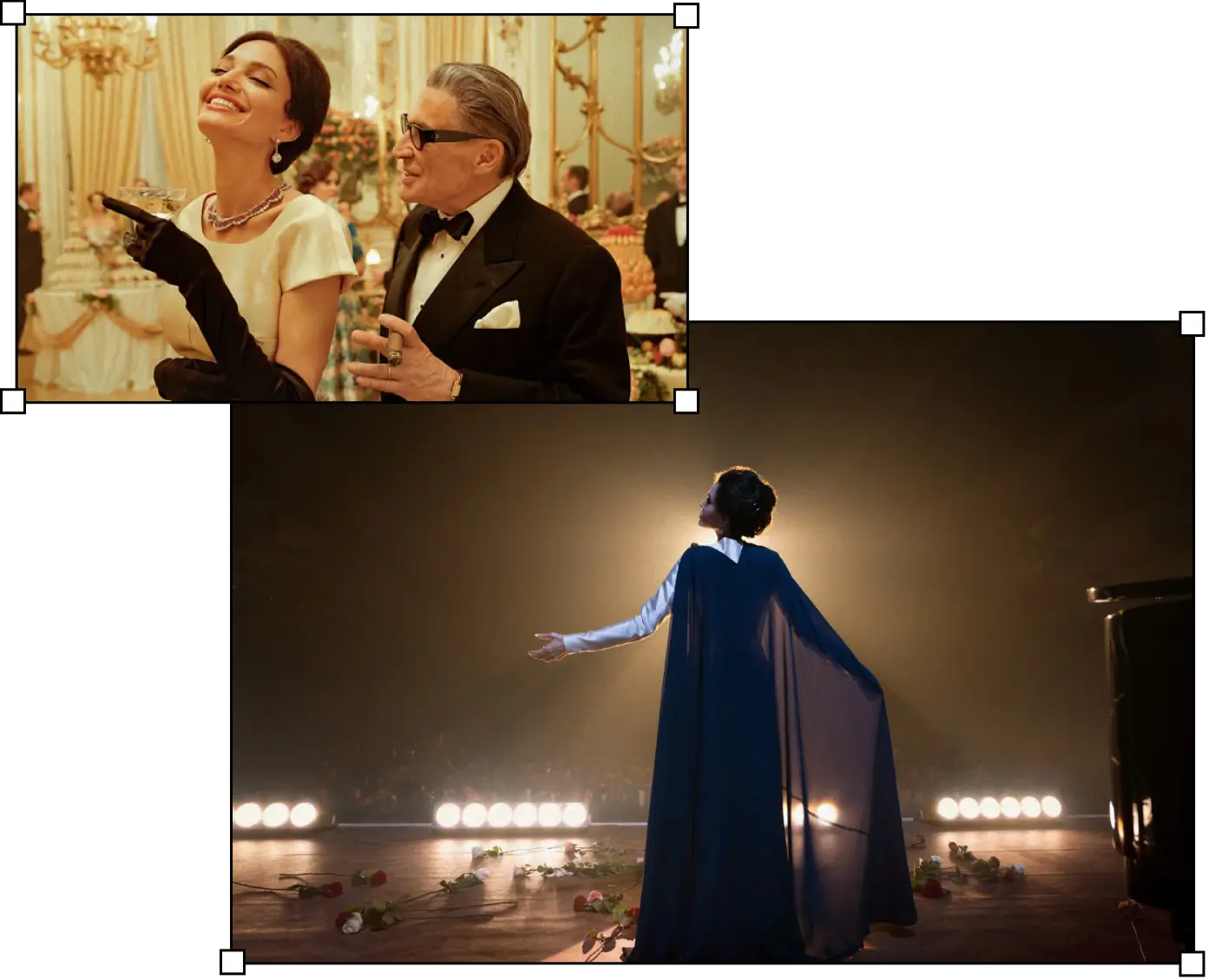
Maria Callas performed countless tragic roles — she was used to dying on stage for years. She wasn’t afraid of it. I am incredibly grateful to Angelina for bringing a certain stoicism to the character, something I hadn’t seen so clearly before. During the shoot, I not only embraced this but grew to love it.
Callas didn’t want to be dependent. She didn’t want to appear weak. She always fought back. I think when you’re making a film about someone’s end, it’s crucial to show how they find the strength to take their last breath — and do so with beauty. In a way, it’s a celebration of life. We didn’t want to make a dark and depressing film.
Angelina, at what point during your preparation for the role did you feel like you understood Maria’s depth as a woman and as a singer?
Angelina Jolie: I don’t know if you ever truly feel like you completely understand. I think it happened during the singing rehearsals, as I got closer to the music, performed the pieces, and felt their power. I almost fainted a few times because I hadn’t yet mastered proper breathing techniques.
Pablo Larraín: But you simply felt it. It was as if you stepped into her world. I thought a lot about Maria as a person. That helped me understand her. During our first camera test, there were all these images of her with heavy makeup — on stage, in public. That’s the Maria we all know. That’s Callas.
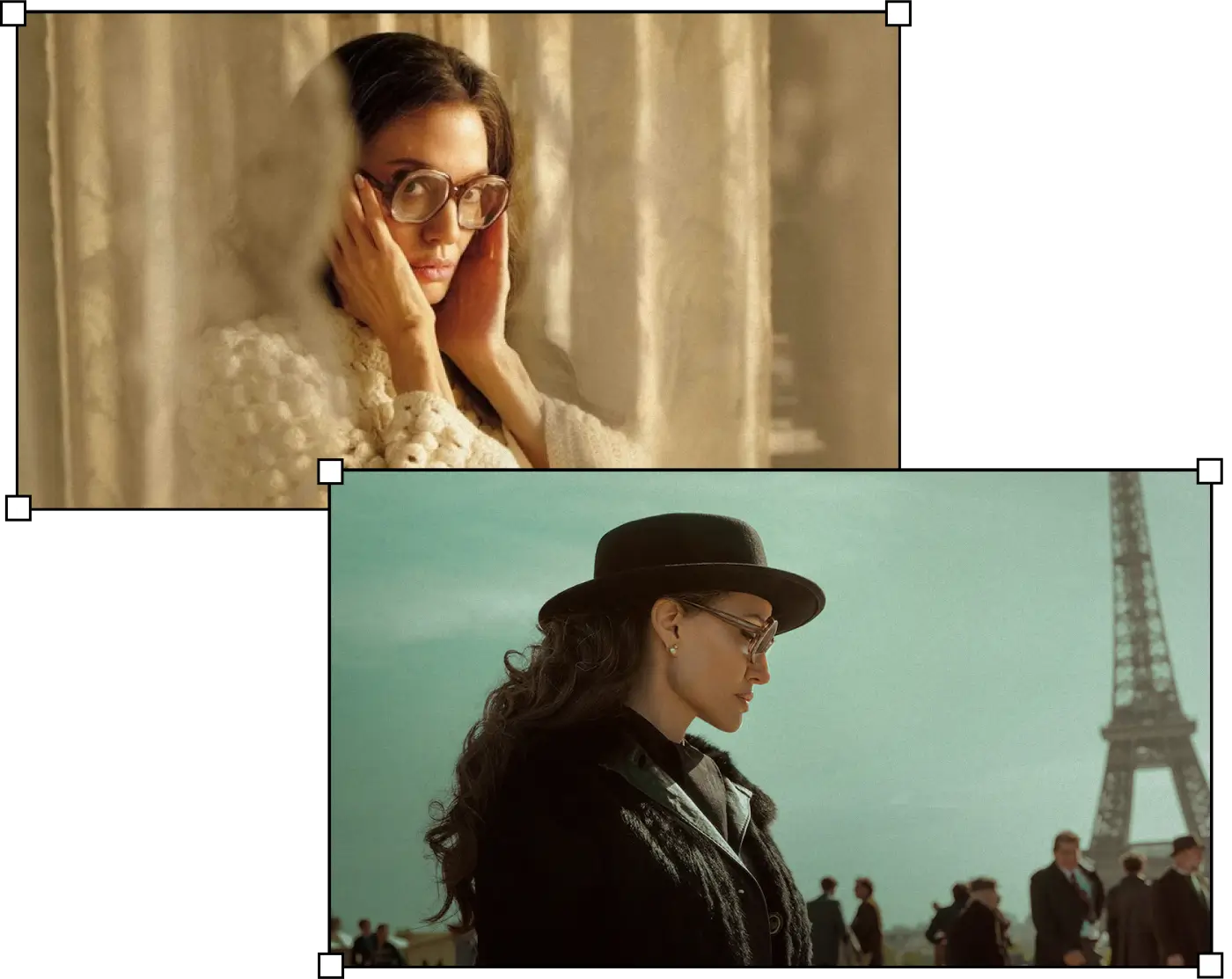
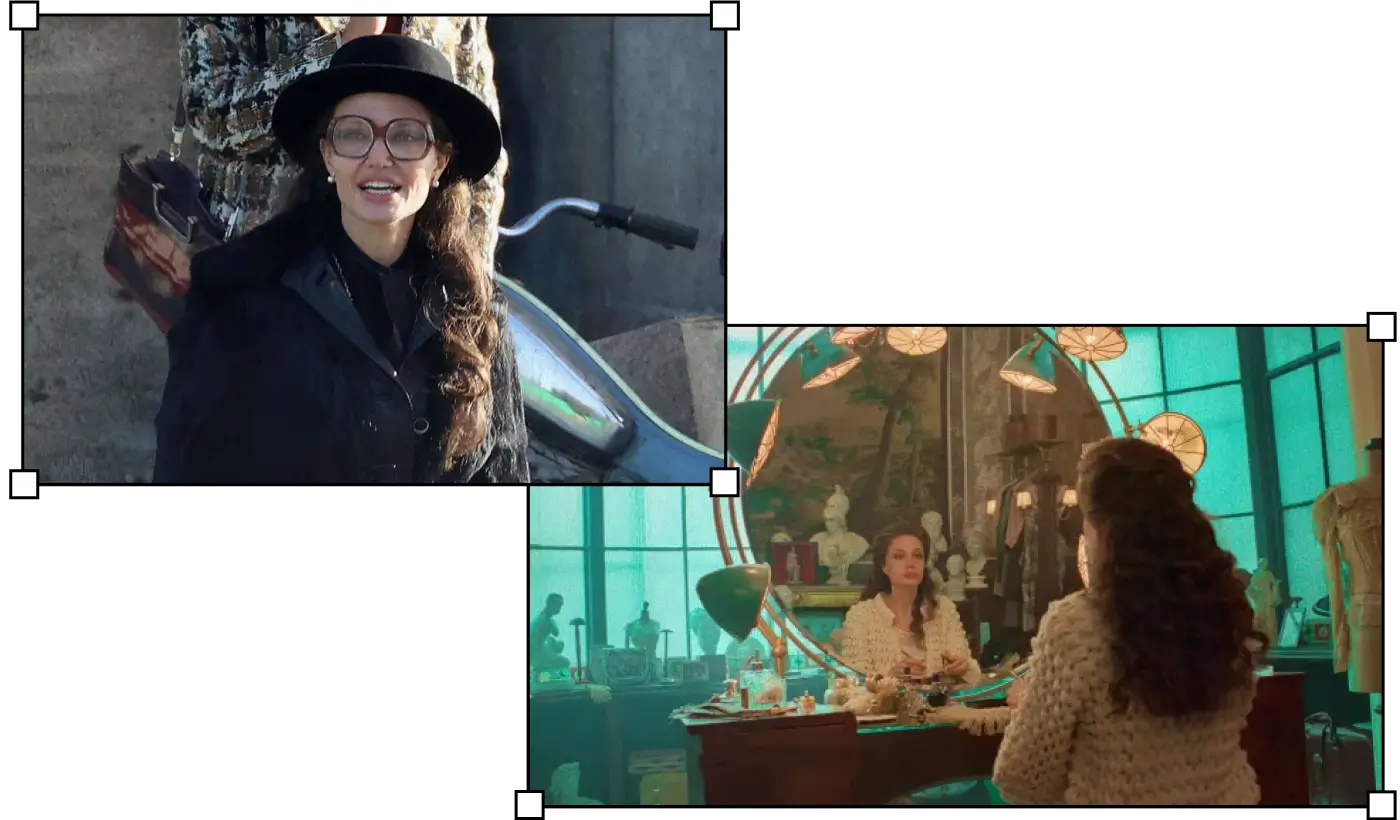
Then, we saw another woman. A Greek woman. Wearing glasses, with poor eyesight. She was delicate. She had health problems. When we put Maria in a robe, I forgot everything I thought I knew about her — and felt this woman who didn’t have a mother or people to truly care for her. That’s when I understood how much singing and connecting with her audience meant to her. I realized it was everything to Maria. And I can’t imagine what she must have felt when she realized she couldn’t have that anymore.
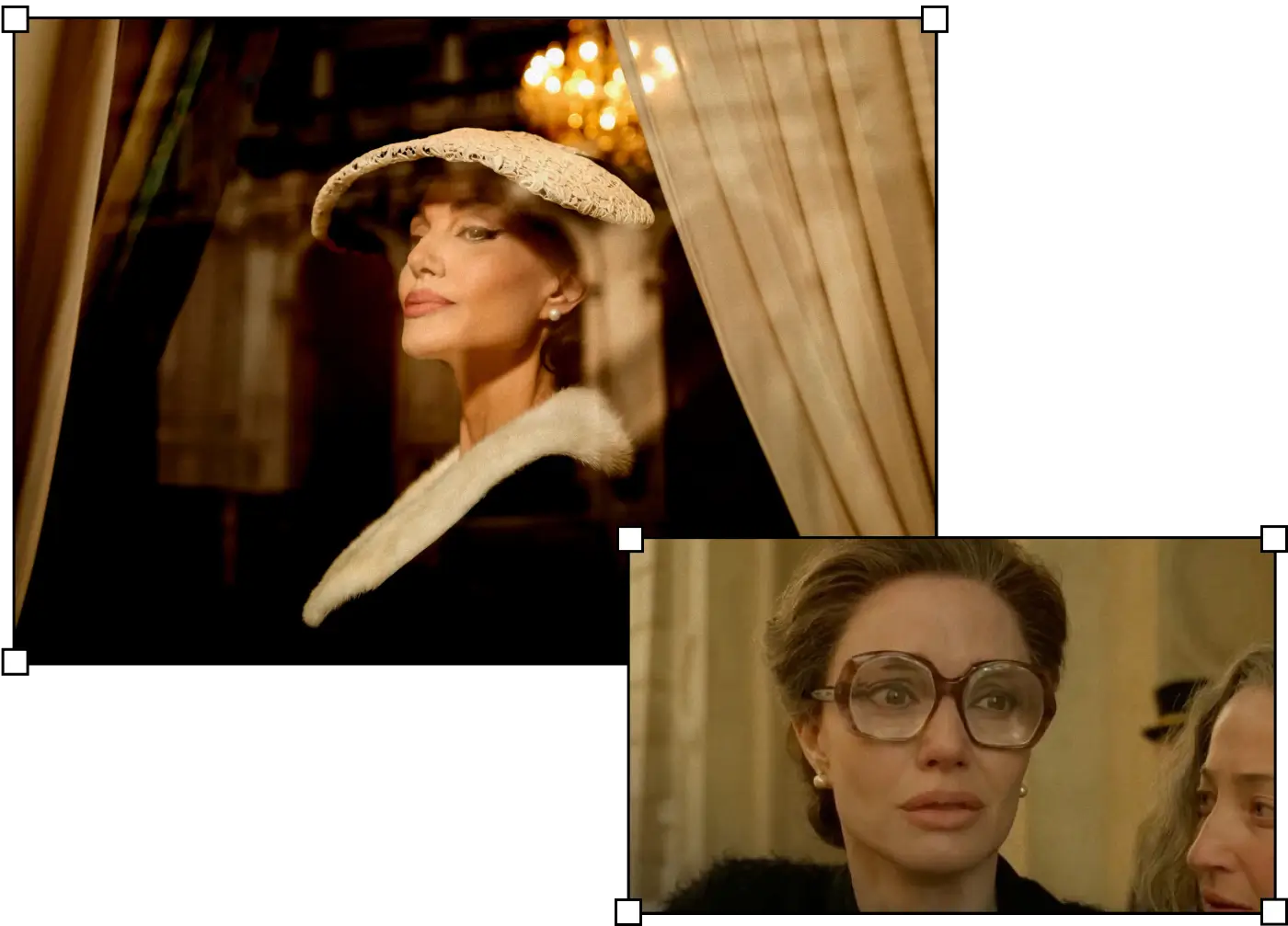
Angelina, did you feel Maria’s presence during filming? And if you could, what question would you ask her?
Angelina Jolie: I don’t think I’ve ever felt this close to a character before. But I would love to know if she ever truly loved someone. I hope she did.
I’m deeply moved by how people are reacting to the film with so much love for Maria because there’s a lot of love for her in this work. I wish she were alive to see this film about herself. I wish she could feel this love from the audience. So many people have made an effort to truly understand her and empathize with her.
Pablo, why did you choose Haluk Bilginer for the role of Aristotle Onassis, Maria’s lover? How did this Turkish actor come to join your cast, and how did you discover him?
Pablo Larraín: Through Nuri Bilge Ceylan’s films. Haluk is simply an incredible actor. I try to work with the best actors, and he is one of them. Haluk recorded himself on his phone at home and sent us the video. Then I spoke with him and learned that he was born in Smyrna, just a few blocks from where Aristotle Onassis was born 50 years earlier.
So part of his family is Greek, but most, of course, are Turkish. He truly understood his character on a profound level. He’s a joy to work with, but at the same time, he can embody a commanding and overly self-assured man. I think he and Angie got along really well.